

Psychiatric Service Dogs
Service dogs have the remarkable ability to give their person a sense of purpose, greater independence, and newfound confidence navigating the world.
We have learned that the companionship of taking a confident dog everywhere with them changes the lives of people who struggle with psychiatric disabilities the most.
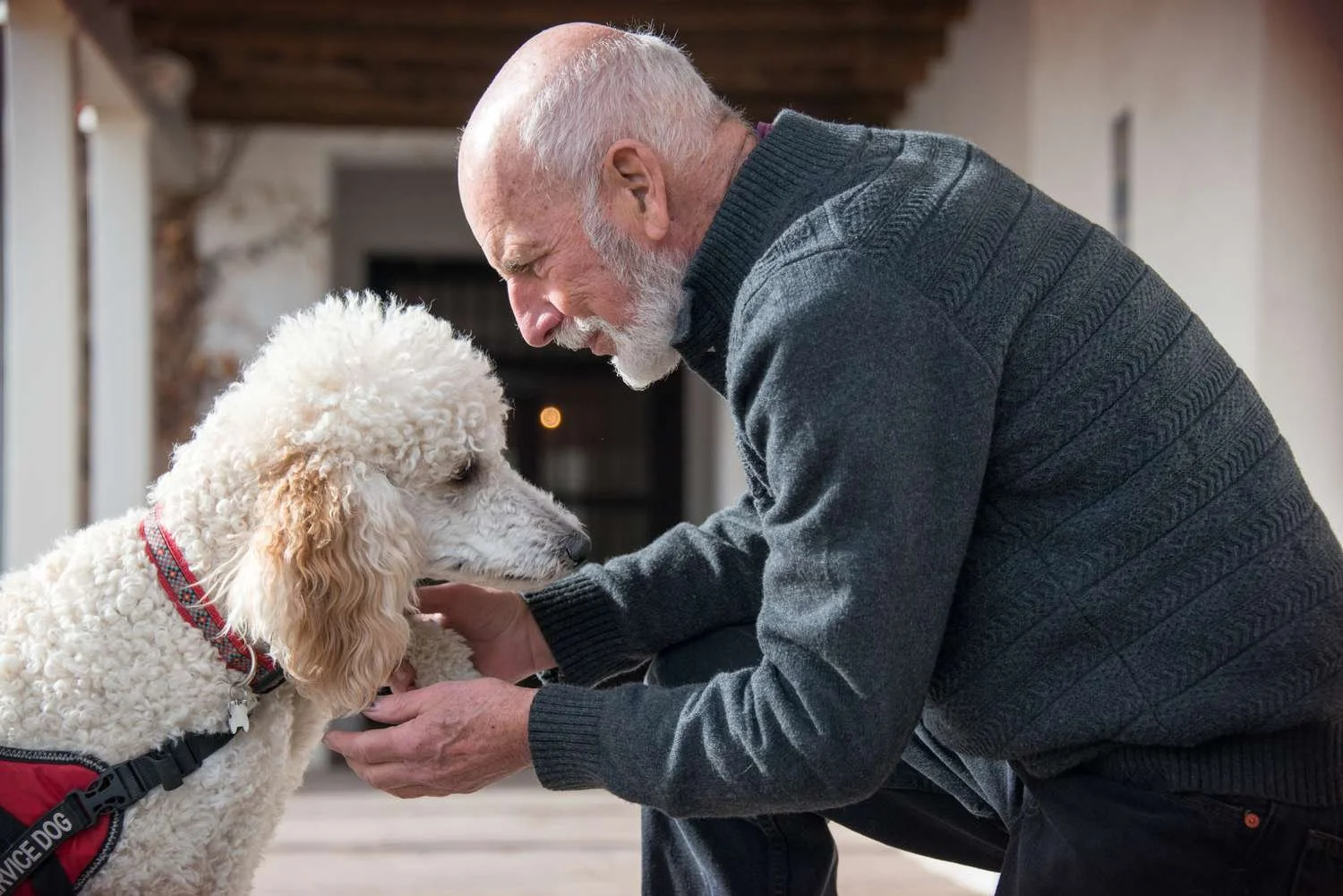
Examples of conditions:
Post-Traumatic Stress Disorder (PTSD)
Obsessive Compulsive Disorders (OCD)
Attention Deficit Hyperactivity Disorders (ADHD)
Anxiety
Depression
Bipolar disorders
Panic disorders
Schitzophrenia
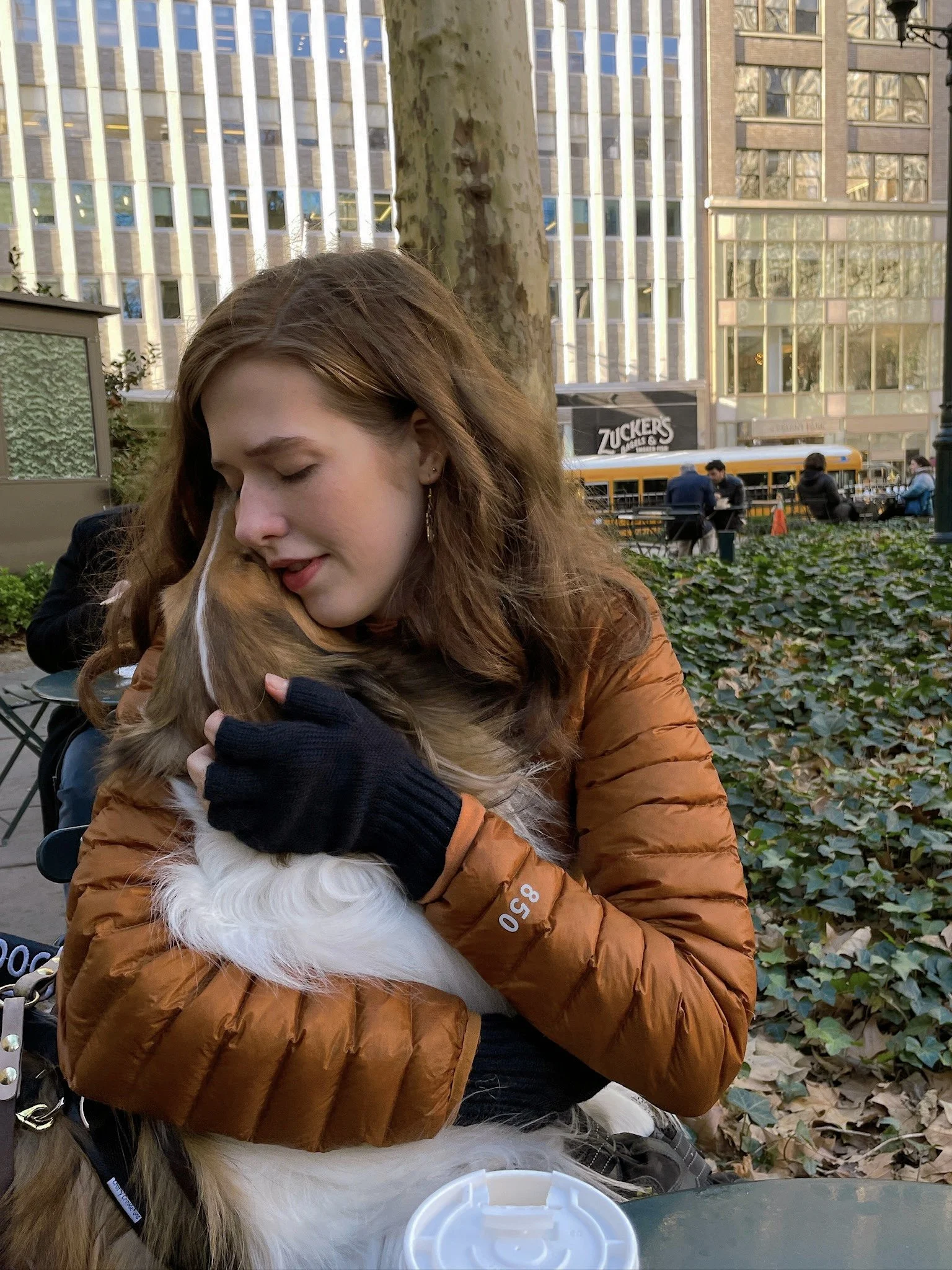
“Laila has changed my life. She’s given me new independence.”
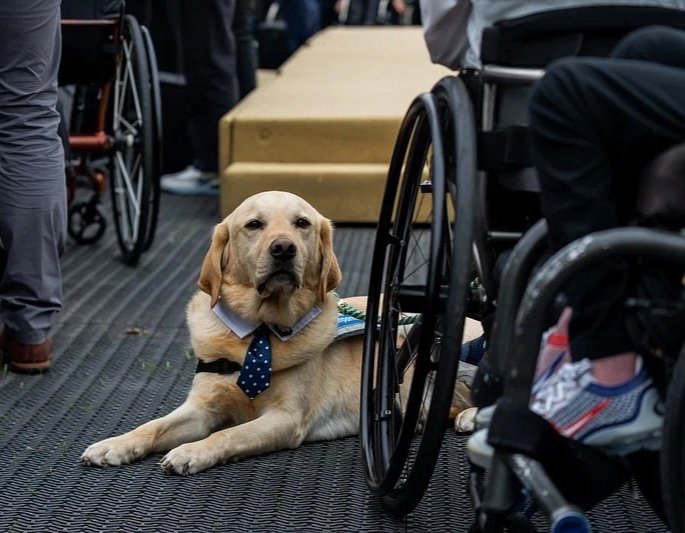
Tasks
Each individual is unique, and we account for that during the training process. Your service dog will be matched and individually trained to your lifestyle, needs, and desires.
All of our service dogs learn at least 1 task to help their person manage their disability.
Deep pressure therapy (DPT)

DPT involves the dog leaning against or lying down on top of you. The warmth, pressure and contact with the dog often reduces anxiety, grounding someone experiencing panic or dissociation.
DPT can be carried out in many ways and for many situations depending on your preference and the size of your dog. The dog could be entirely on top of you, partially, or with only their head against your chest or lap.
Physical buffer within a crowd

Many people with psychiatric disabilities experience anxieties due to the close proximity of others, and/or feel overwhelmed in crowds. A dog can be trained to act as a physical buffer between you and the general public.
Please note that this is not a protective act, but simple teaching a dog to take up physical space in a specific manner.
Disrupt nightmares

Nightmares are a common occurrence for individuals dealing with Post-traumatic Stress Disorder (PTSD) and many other psychiatric disabilities. The dog can be trained to sense when you are experiencing this event through physical symptoms such as breathing changes, sweating, and unusual movements. They are taught to respond by waking you up by nudging, licking, or pawing. Waking up to a dog helps many people feel less alone, feeling comforted by the dog.
Interrupt harmful repetitive behaviors
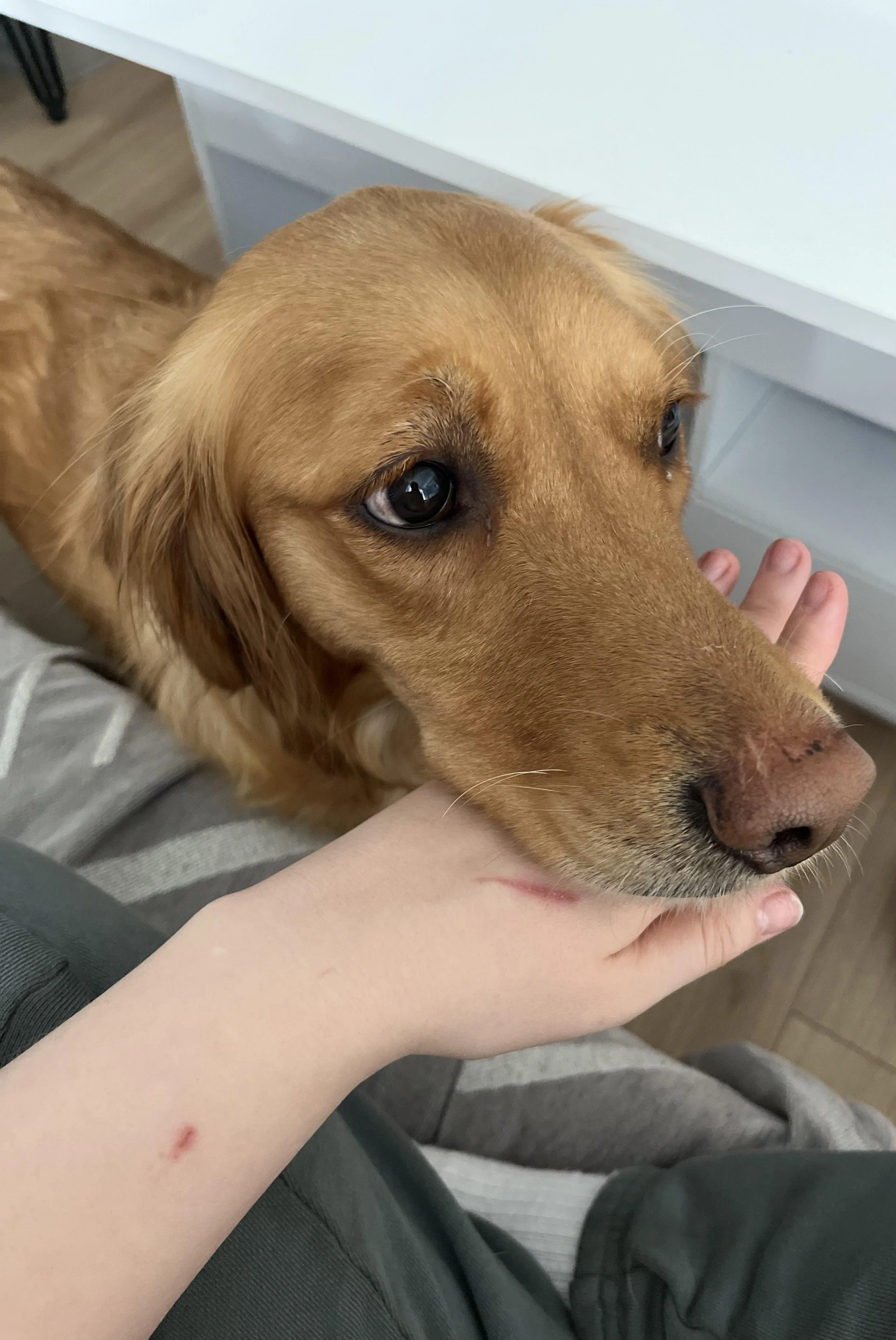
A dog can be trained to paw, nudge, and lick to stop you from harmful behaviors such as nail biting, hitting themselves, and picking at your skin.
Companionship

While not a task, companionship can be one of the most impactful aspects of a psychiatric service dog. Our service dogs are confident, giving a sense of calm steadiness that can override anxieties in public spaces, and many aspects of psychiatric conditions.